
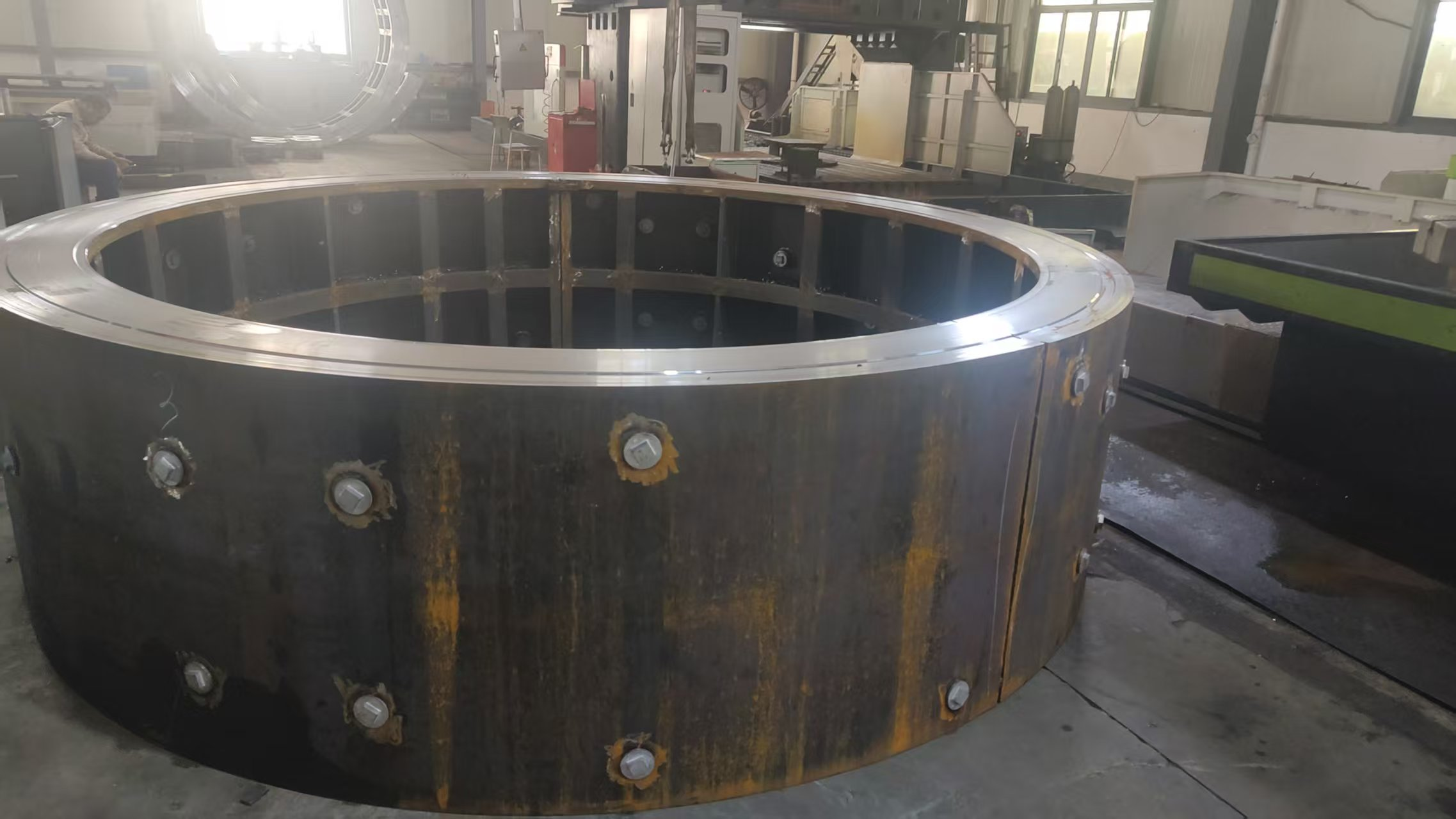
Begin with the part function and drawing
Describe the part or assembly function and provide the current drawing, revision and any critical features. That creates the base for reviewing process route, machine envelope and inspection requirements.
If the part connects to an engine or power system, identify relevant interfaces, load, environmental requirements and assembly relationships in the same brief.
State material, tolerance and finish requirements
Material, heat-treatment condition, critical dimensions, tolerance, surface-finish and geometric-control requirements shape the manufacturing discussion. List the features that need particular attention instead of supplying a drawing without priorities.
The company information lists CNC turning, mill-turn, vertical and horizontal machining, 5-axis work, grinding and large-ring references. The selected process and achievable result must still be reviewed against the specific part.
Request the inspection and record scope
Name the inspection information, traceability, test information or other records required for the project. This aligns the technical request with the qualification or sourcing stage.
A machining RFQ is more useful when quantity, prototype or production stage, timing and requested documentation are visible alongside the technical definition.
Assembly Interfaces & Project Scope
Use the RFQ to combine the part definition, manufacturing requirements and any power-system or assembly interfaces. Include quantity, project stage and required records so the manufacturing scope can be assessed.